
 English




 Women
Women
 Bottom Wear
 Western Wear
 Maternity Wear
 Women's Inners
 Men's
Men's
 Men Traditional Wear
 Men Western Wear
 Men Inners

Seasonal Wear
What To Wear For Changing Weather
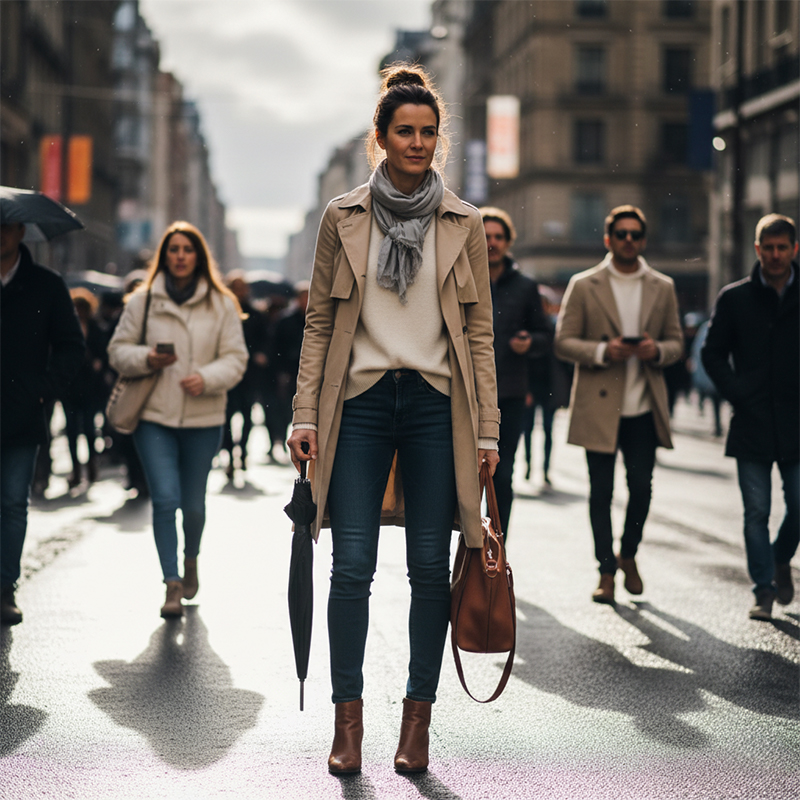
Changing weather often brings uncertainty to daily dressing. Mornings may feel cool, afternoons warm, and evenings slightly crisp again. The key to handling these shifts is adaptability. Instead of planning for one fixed condition, think in layers and combinations that can adjust throughout the day. This approach ensures you stay comfortable while maintaining a clean, composed look from start to finish.
Starting With A Versatile Base
A reliable base is essential when dealing with unpredictable conditions. Choose pieces that feel balanced—not too heavy, not too light. Breathable fabrics paired with structured fits create a foundation that works across temperatures. This base allows you to build your outfit without needing constant changes, giving you a steady starting point for the day ahead.
Layering For Flexibility
Layering is the most effective way to manage changing weather. A light outer layer can be added during cooler moments and removed as temperatures rise. The goal is to keep layering simple and functional rather than bulky. Each layer should complement the other, creating a cohesive look while offering practical adjustments throughout the day.
Choosing Transitional Fabrics
Fabric choice plays a major role in seasonal wear. Materials that allow airflow while still offering slight coverage work best during shifts in temperature. Soft, mid-weight fabrics help maintain comfort without feeling restrictive. These choices ensure your outfit adapts naturally, reducing the need to constantly rethink what you’re wearing.
Keeping Colors Seasonally Balanced
Color selection can subtly reflect changing weather while keeping your outfits easy to style. Soft neutrals, earthy tones, and slightly muted shades create a calm and adaptable palette. These colors transition well between different conditions, making it easier to mix pieces without worrying about mismatched combinations.
Managing Proportions With Layers
When layering, proportions become important. Keeping your base fitted and adding a slightly relaxed outer piece creates balance. This prevents your outfit from looking heavy while still giving it depth. Thoughtful proportions ensure your look remains sharp even as you adjust layers throughout the day.
Planning For Movement
Changing weather often means moving between different environments. Your outfit should allow easy transitions without feeling restrictive. Lightweight layers, flexible fits, and breathable construction help you stay comfortable whether indoors or outdoors. When your outfit moves with you, it becomes easier to handle unpredictable conditions.
Building A Seasonal Routine
Over time, dressing for changing weather becomes more intuitive. By understanding which combinations work best, you can build a routine that simplifies your daily choices. Instead of second-guessing, you begin to rely on pieces that consistently perform well across conditions. This routine brings ease and confidence to your everyday dressing.
Keeping It Simple And Adaptable
The essence of seasonal wear lies in simplicity. Rather than overcomplicating your choices, focus on adaptable combinations that respond to change. A well-layered, thoughtfully balanced outfit allows you to move through the day comfortably while maintaining a refined appearance. With the right approach, changing weather becomes less of a challenge and more of an opportunity to refine your style.
Trending Now
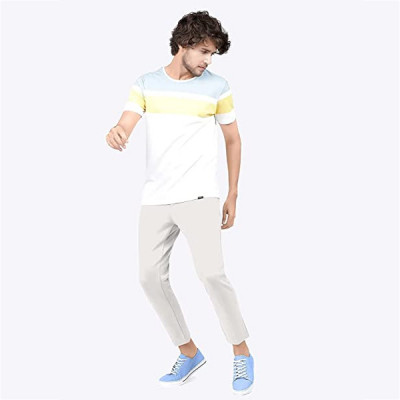
Men's Slim Fit Formal Trousers/Pant
Rs.543.00
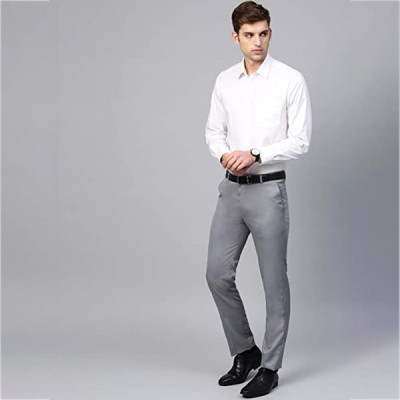
Men's Slim Fit Formal Trousers
Rs.707.00
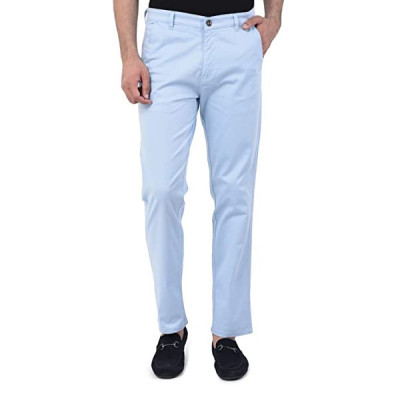
Men's Regular Fit Pants
Rs.544.00
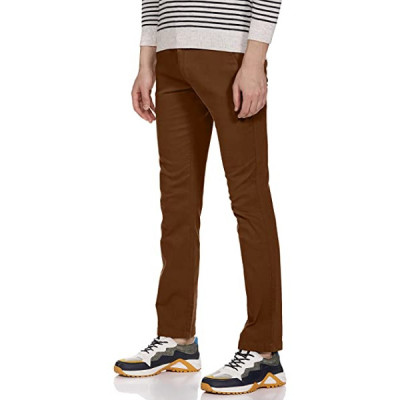
Men's Slim Casual Trouser
Rs.800.00
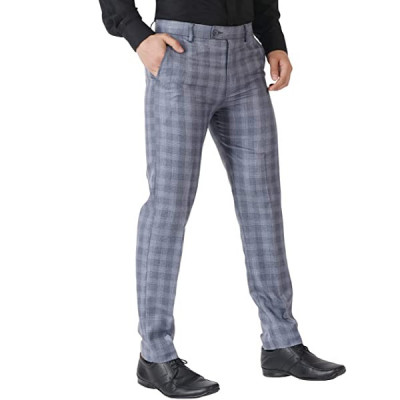
Men's Slim Fit Checkered Trouser
Rs.499.00
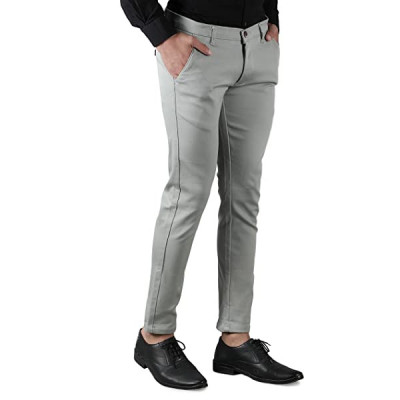
Textured Stretchable Trousers for Men
Rs.899.00
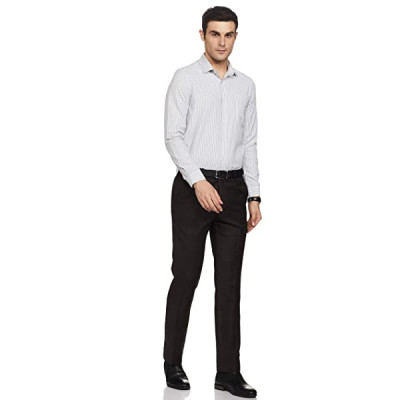
Men's Regular Pants
Rs.2,344.00